

 Skip to content
 At Environet, all of our content is written and fact-checked by experienced experts.

Japanese knotweed is thought to have originated in the volcanic mountains of Japan around 150 million years ago. The plant evolved to survive tough, rocky environments at high altitudes, giving it the strength and adaptability that make it such a survivor today.
From these volcanic slopes, it naturally spread across Japan, Korea, Taiwan and parts of China – areas now recognised as its native range.
In Japan, the plant is known as Itadori, meaning “pain remover.” Locals have long foraged it as food and used it in traditional medicine. Its shoots are edible, and the plant contains resveratrol – the same compound found in red grapes – which may help protect the body from oxidative stress and inflammation.
Did you know? In its native habitat, Japanese knotweed is not considered a pest. Natural predators and environmental factors keep it under control – unlike in the UK, where those checks and balances don’t exist.
Japanese knotweed belongs to the Polygonaceae family, also known as the knotweed or buckwheat family, which includes more than 1,200 species worldwide. Members of this family are known for their resilience and ability to thrive in poor soil.
Over time, botanists have reclassified Japanese knotweed several times:
| Period | Scientific Name | Notes |
| Early 1800s | Polygonum cuspidatum | Original classification |
| Mid 1900s | Fallopia japonica | Later re-grouped by morphology |
| Today | Reynoutria japonica | Current accepted name |
These changes reflect advances in plant genetics and the difficulty of neatly grouping species with similar traits. Closely related plants include Giant knotweed (Reynoutria sachalinensis) and Hybrid knotweed (Reynoutria × bohemica), both of which can also be found in the UK.
Related reading: What is Japanese Knotweed? – Identification Guide


During the Victorian era, explorers and botanists scoured the world for exotic species. One such collector was Philipp Franz von Siebold, a Bavarian physician stationed in Japan in the early 1800s. Siebold gathered thousands of plants – including garden favourites like hydrangeas, peonies and wisterias – and shipped them back to Europe.
In 1840, Siebold founded a commercial nursery in Leiden, Netherlands, where he cultivated Japanese knotweed and sold it as an ornamental curiosity. By 1850, samples had reached Kew Gardens in London, and the plant was even awarded a gold medal by the Agricultural and Horticultural Society in Utrecht.
Although there are reports that a specimen may have reached the UK earlier, in 1825, Siebold’s commercial introduction was the one that made the plant famous – and ultimately, infamous.
By 1869, Japanese knotweed was widely sold across Britain. Victorians admired its lush, bamboo-like stems and its ability to grow anywhere. It was even used for:
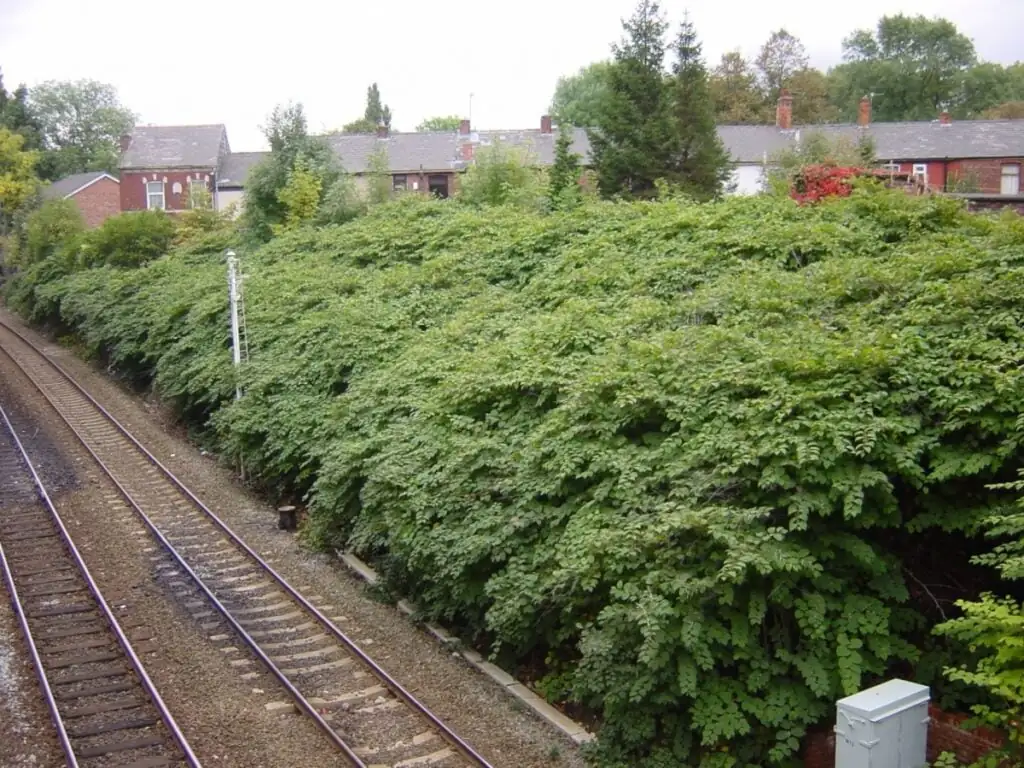
Unfortunately, this popularity sowed the seeds of today’s problem. As the Industrial Revolution expanded the UK’s transport networks, fragments of knotweed spread easily via soil movement and construction materials. Without any natural predators, it spread unchecked.
By 1900, it was recorded as naturalised in the wild, and by the 1930s, it had earned the nickname “Hancock’s Curse” in Cornwall for the damage it caused to properties.
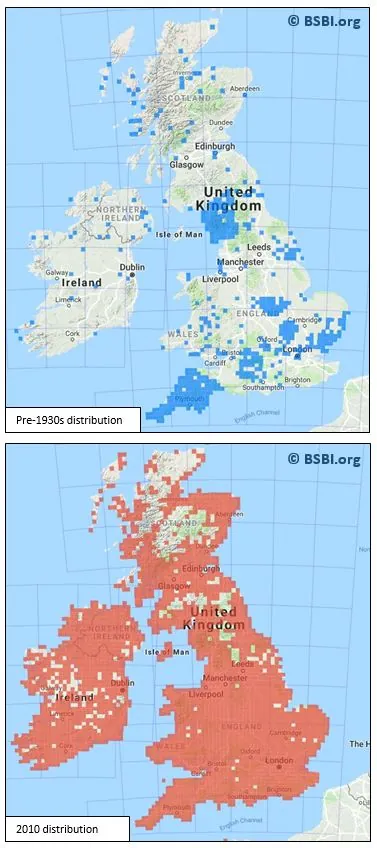
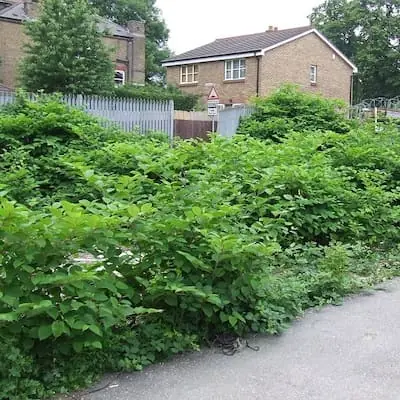
Today, knotweed is found in every 10-square-kilometre area of the UK, and an estimated 1 in 20 homes is affected in some way.
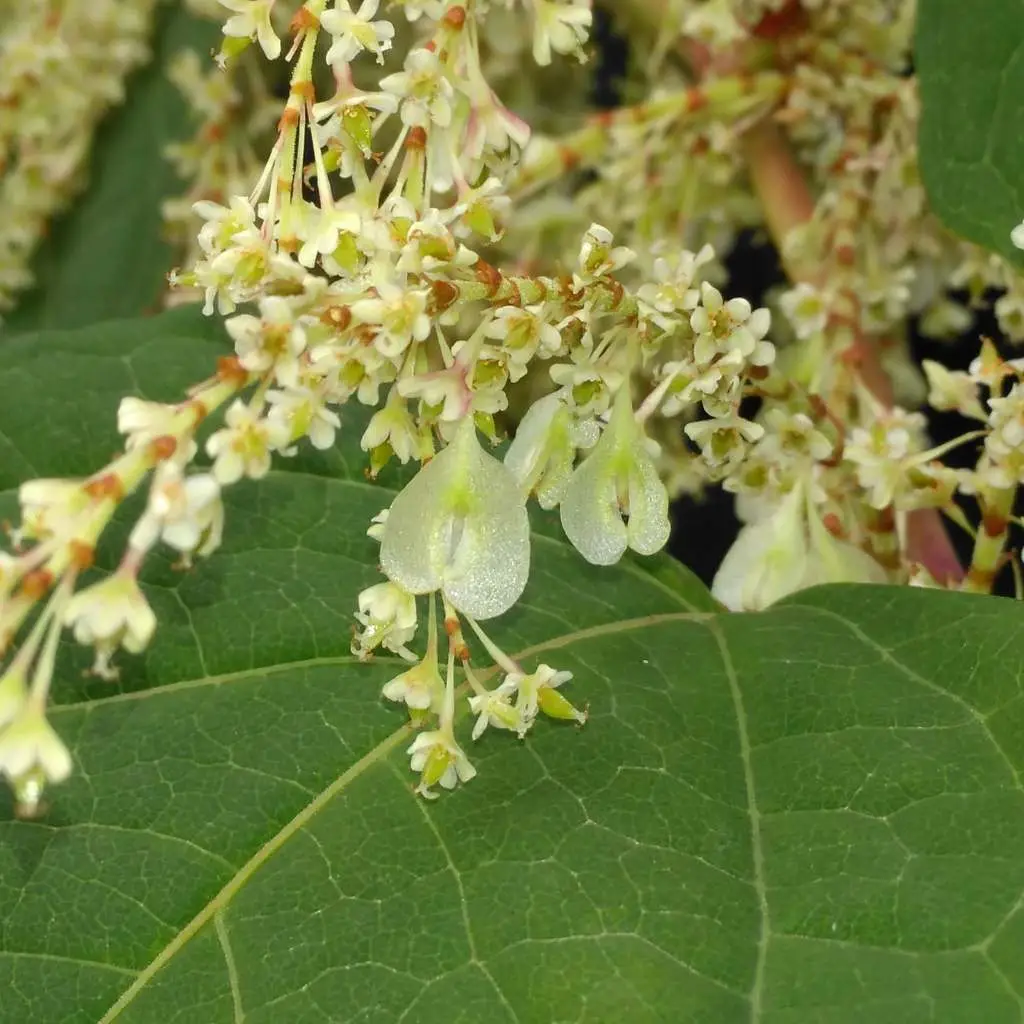
In its native Japan, Japanese knotweed reproduces through seeds and rhizomes.
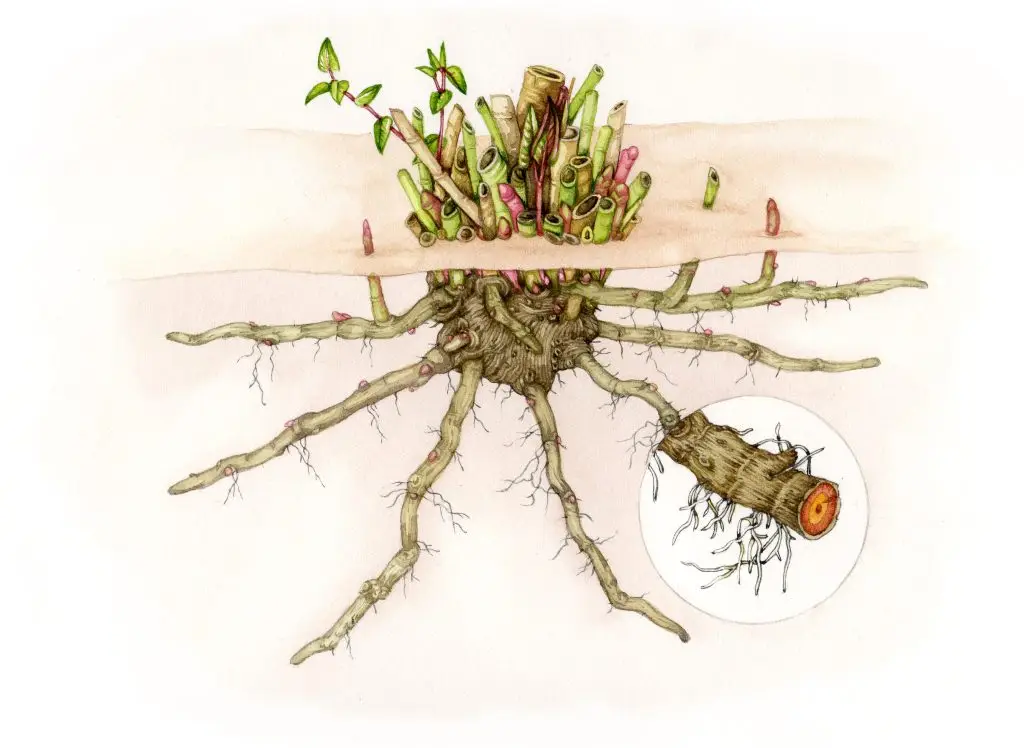
But in the UK, all plants are female clones – descendants of a single original introduction. This means they reproduce asexually, primarily through rhizome and stem fragments.
Even a piece as small as a fingernail can regrow into a new plant if moved to suitable soil.
This makes it a nightmare for landowners, gardeners and developers, as construction, fly-tipping and soil movement are the main causes of spread.
Tip: Always use licensed professionals for Japanese Knotweed Removal. DIY digging or composting can make infestations worse.
Japanese knotweed has now been reported in North America, Canada, and New Zealand, as well as throughout mainland Europe. It thrives in disturbed ground, along riverbanks, and in urban areas – anywhere soil has been disrupted by human activity.
Its ability to colonise these spaces makes it a global biosecurity challenge. In many countries, laws restrict its movement or require its control under environmental legislation.
In the UK, knotweed is listed under Schedule 9 of the Wildlife and Countryside Act 1981, making it an offence to plant or cause it to grow in the wild.
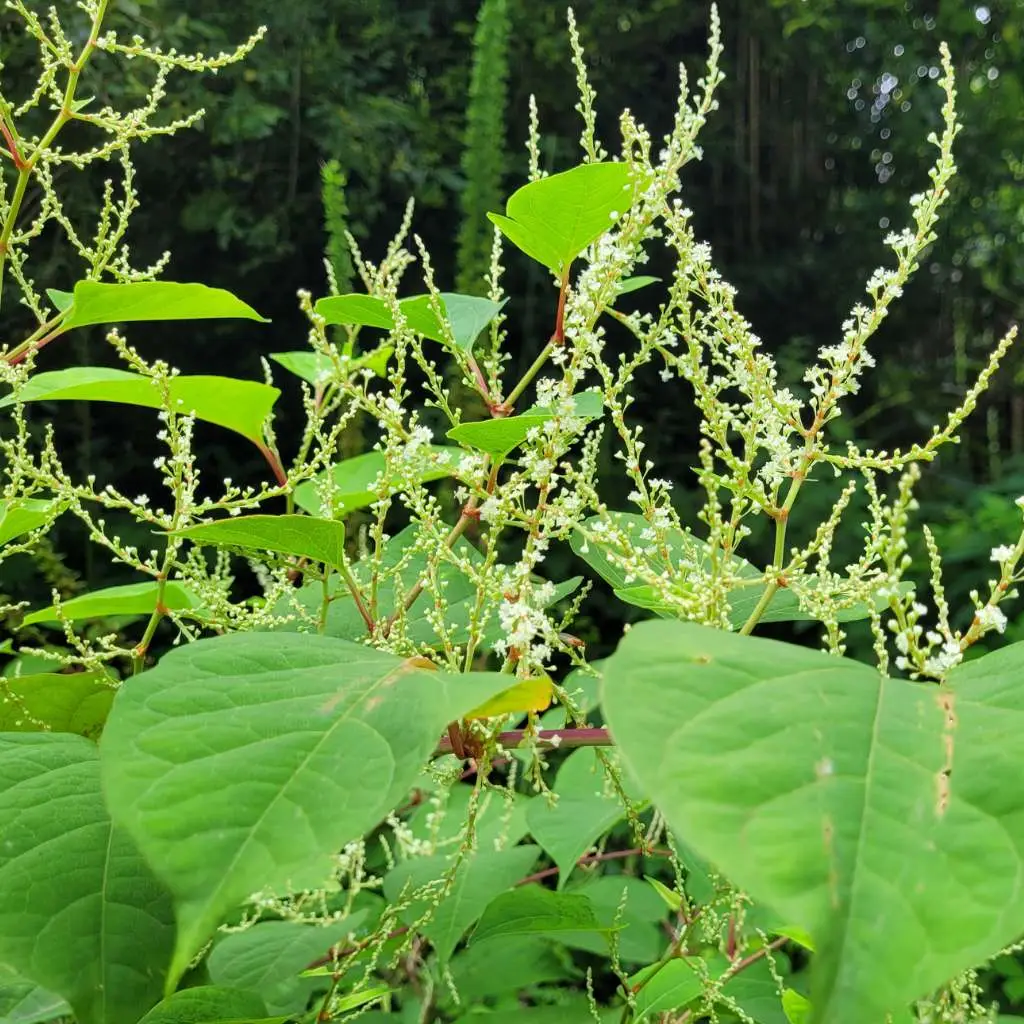
Although it’s an invasive species in the UK, Japanese knotweed still holds cultural value in its native range. In Japan, it continues to be foraged and used in traditional medicine. Scientists are also studying its resveratrol content for potential health and pharmaceutical applications.
Yet in the West, it stands as a stark reminder of how well-intentioned introductions can lead to long-term ecological problems. Its rapid growth, ability to outcompete native species, and resilience make it one of the UK’s most challenging plants to manage.
From its beginnings on the volcanic slopes of Japan to its spread across continents, Japanese knotweed’s story is one of survival, adaptation and human error. What began as a celebrated botanical import has become a major environmental concern – but understanding its origins helps us manage it more effectively.
If you suspect you have Japanese knotweed on your property, visit our guide:
Japanese Knotweed Identification
Japanese knotweed originated in the volcanic mountains of Japan around 150 million years ago. It later spread naturally across Japan, Korea, Taiwan and parts of China, where it is known as Itadori and used in traditional medicine.
Japanese knotweed was introduced to the UK in the mid-19th century by botanist Philipp Franz von Siebold. By 1869 it was sold widely as an ornamental plant and used for erosion control along railways and mines.
Rest assured, where invasive species are identified at an early stage and tackled correctly, problems can usually be avoided. Our specialist consultants complete thorough surveys to identify the extent of the problem. Our plans aren’t one-size-fits-all; they’re customised to tackle the invasive species at your property effectively, taking account of all of your requirements.
Our team of experts is available between 9am and 5:30pm, Monday to Friday to answer your enquiries and advise you on the next steps
Want a survey?
If you already know you have an invasive plant problem, you can request a survey online in less than two minutes by providing a few brief details. A member of the team will swiftly come back to you with further information and our availability.
Need quick plant identification?
Simply upload a few images of your problem plant to our identification form and one of our invasive plant experts will take a look and let you know, free of charge what you are dealing with. We’ll also be there to help with next steps where necessary.